

Compare methods through a bounded evaluation on your own products. Keep the brief and results so the choice can be explained and repeated when requirements or tools change.
Break the ad into tasks
Separate product opening, demonstration, presenter and end frame. Give each method shared approved references and record versions and access. Final ad duration is not necessarily native clip duration; include editing and compositing.
Evaluate the finished work
Reject product and claim errors before judging style. Log failed attempts, audio work, subtitles and review time. Check current terms for intended use. Different scenes may justify different methods or real footage. An accepted video does not establish a winning ad; plan advertising tests separately. See AI video production.
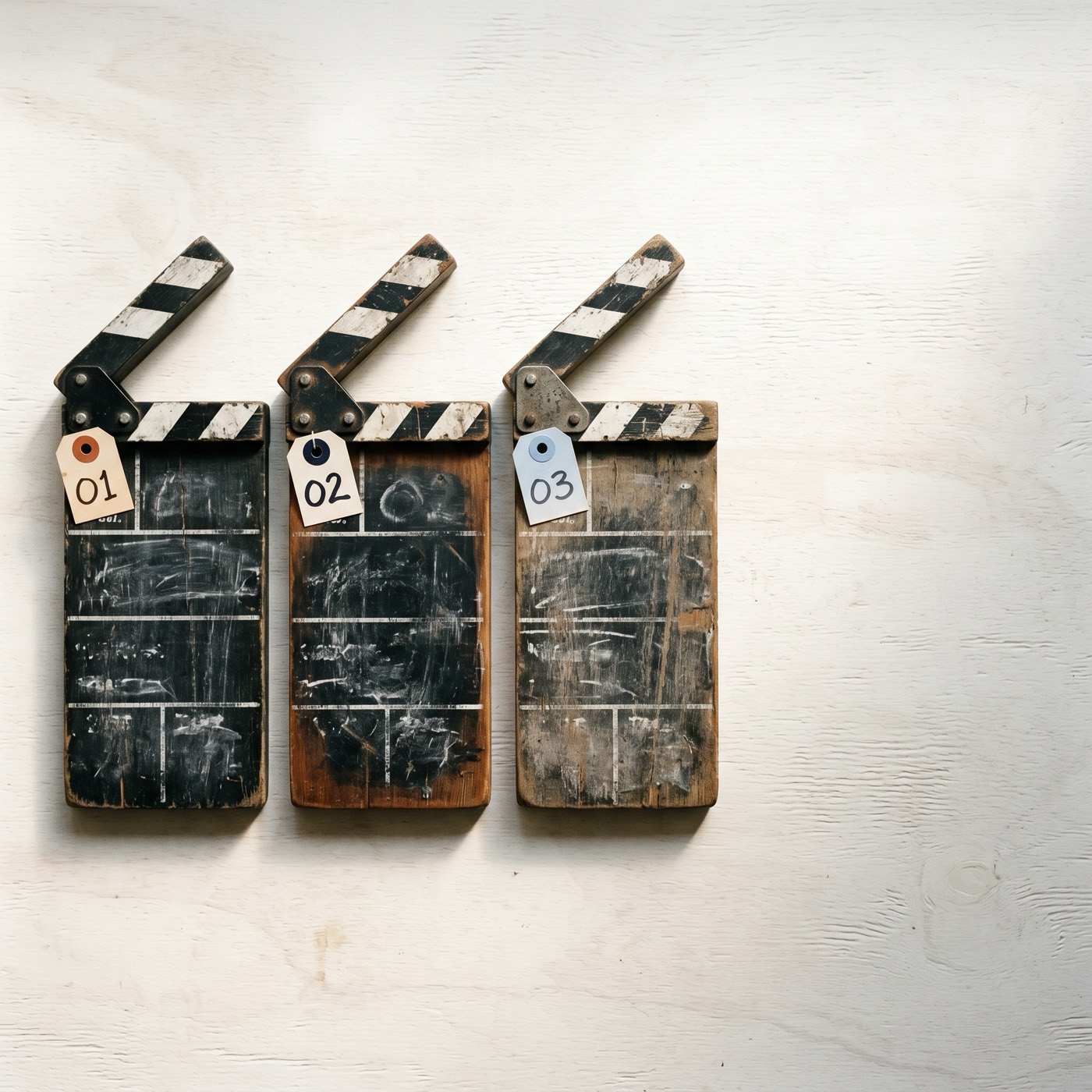
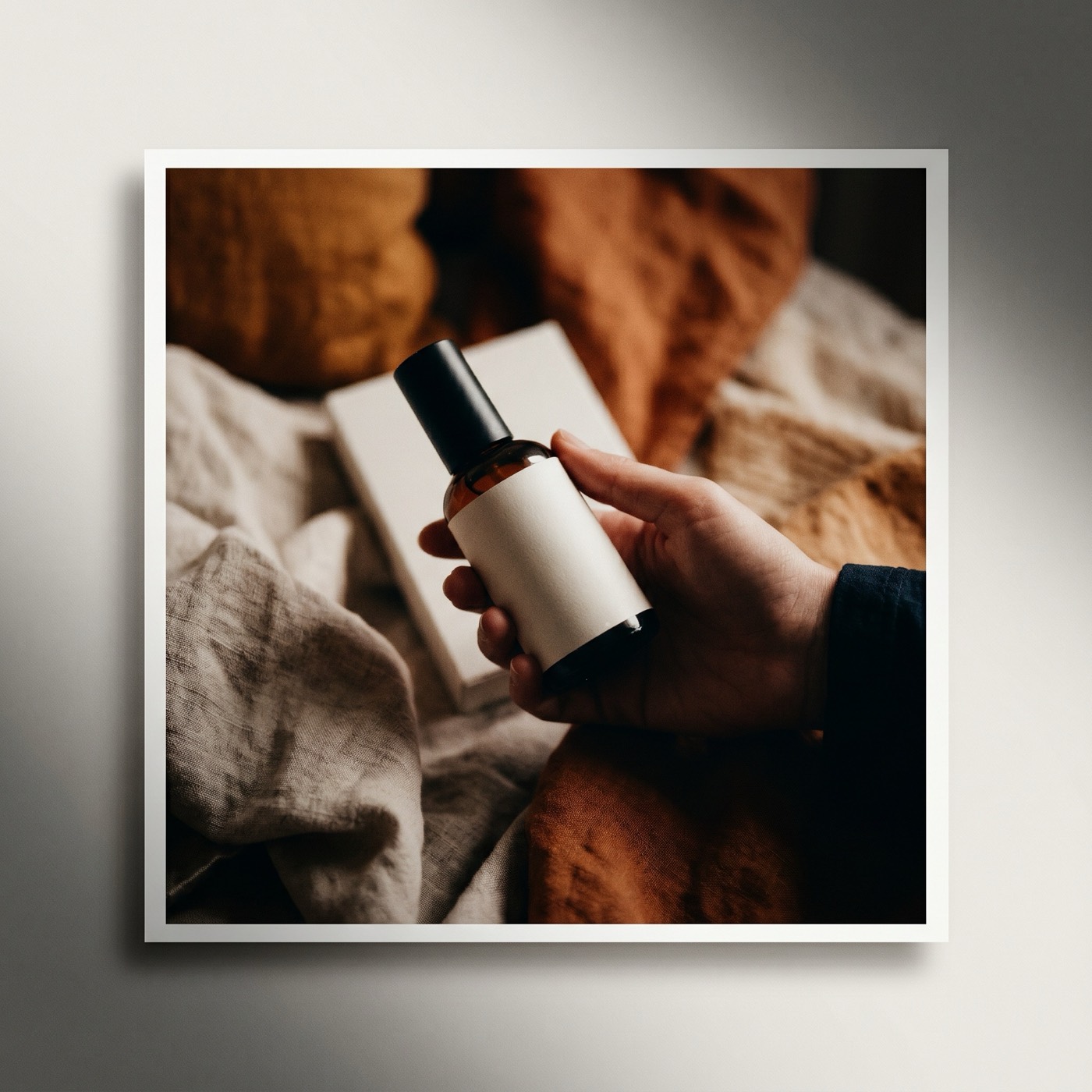
Use scene-specific acceptance criteria
A product opening might need immediate recognition, a demonstration might need precise physical contact, and a presenter scene might need intelligible speech. Write those requirements before selecting a model. If a tool needs a different input workflow, explain the difference in the evaluation instead of hiding it behind a score.
Inspect packaging through camera movement and listen for product-name pronunciation or unsupported statements. Keep the rejected attempts, not just showcase clips. An apparently inexpensive render can require substantial editing before it fits the ad. Repeating the same evaluation after a version change helps distinguish a useful improvement from an unrelated impressive demo.