

All insights

Runway and Sora: compare the cost of a usable video (2026)

Compare the cost of reaching an approved ad with Runway and Sora, including rejected attempts, sound and editing.

Kevin Dosanjh
Co-founder / CMO, AI Vidia · Updated
Editorial overhead flat lay of two matte film reels labeled Runway and Sora on a warm off-white Nordic studio surface with burnt orange and deep ink accents.
On this page7 sections
  1. 01Define the deliverable first
  2. 02Separate access cost from assignment cost
  3. 03A hypothetical calculation
  4. 04Assess product and story separately
  5. 05Keep a reviewable trial record
  6. 06Test a revision before budgeting a series
  7. 07Choose for the actual assignment

A generated clip is only part of the cost of a finished ad. When comparing Runway and Sora, assess quality, rejected attempts and editing together.

Define the deliverable first

Describe product, action, length, format and required copy. Specify the details essential to approval. Price differences are hard to interpret when the two samples face different requirements.

An atmospheric clip without a particular item differs from a product close-up requiring an accurate label. Choose a sample resembling the work you intend to repeat. A supplier's best example can inspire a brief without establishing your expected production cost.
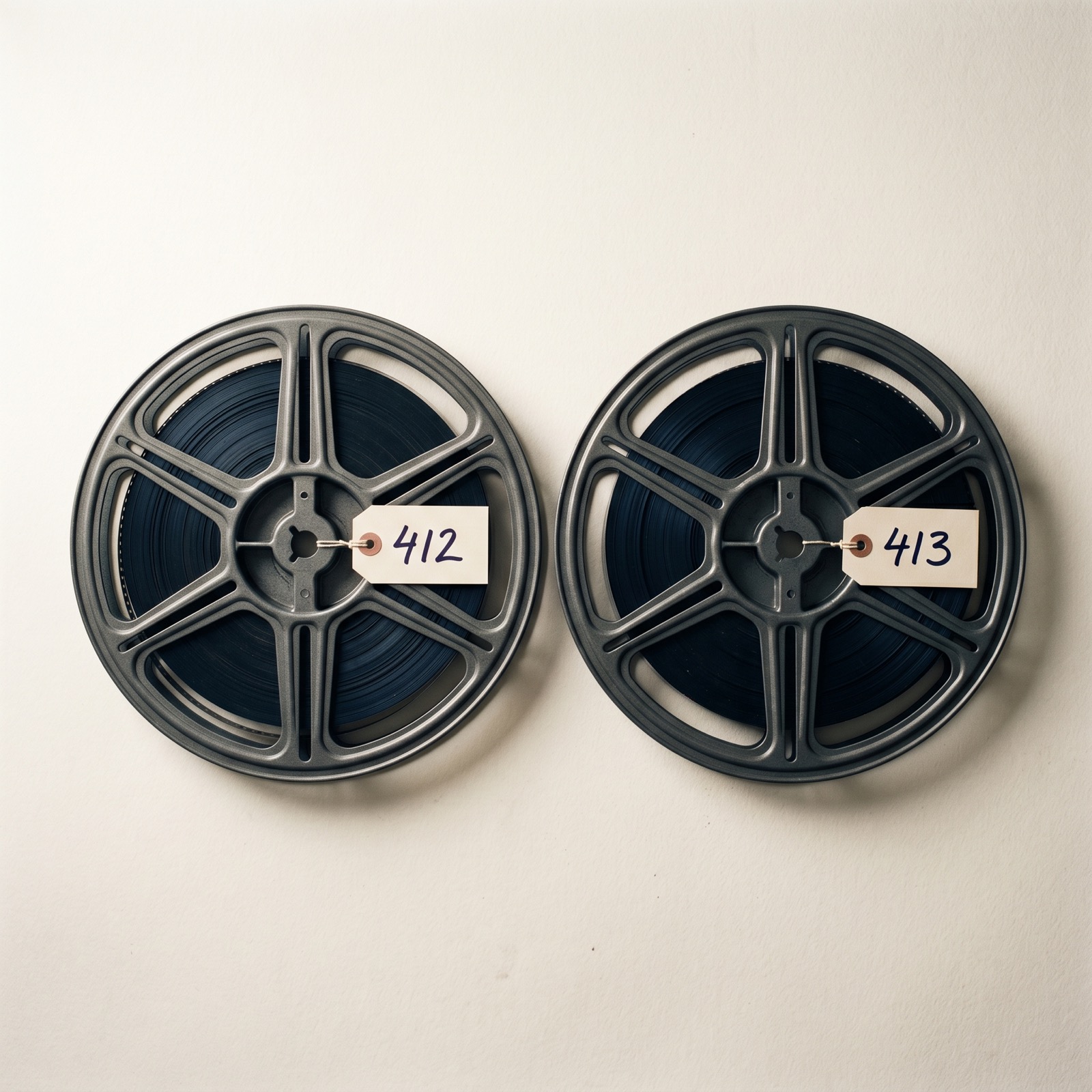
Overhead of two matte film reels on a warm off-white studio surface, each with a small label tag.
Illustration: Overhead of two matte film reels on a warm off-white studio surface, each with a small label tag.

Separate access cost from assignment cost

A subscription may provide certain features or an allowance of use. The actual task also requires attempts, selection, editing and approval. Record both instead of treating the subscription fee as the price of a finished ad.

Check current terms for the version and access method you intend to use. An older model name does not make a previous comparison applicable to today's task.
Overhead of a product continuity frame holding a consistent bottle across three positions.
Illustration: Overhead of a product continuity frame holding a consistent bottle across three positions.

A hypothetical calculation

Suppose two workflows share the same approval criteria. One spends EUR 80 on generation and needs three hours of editing. The other spends EUR 120 and needs one hour of editing.

Generation differs by EUR 40, but the total comparison also depends on the two additional working hours. These figures are hypothetical, not Runway or Sora prices. Use your own relevant hourly cost to complete the calculation.

Check whether editing can make the file correct at all. A product changing shape may require new footage or generation. An unusable clip does not become good value because its direct price is low.
Overhead of a first-second hook frame with dramatic light falloff on a single subject.
Illustration: Overhead of a first-second hook frame with dramatic light falloff on a single subject.
Need new ads?
Describe your product and what you want to test.
Send your brief

Assess product and story separately

  • Does product identity remain intact throughout?
  • Is the action understandable without a separate explanation?
  • Do lighting and style match approved direction?
  • Can the clip be combined with the rest of the ad?
  • Does the recorded cost include sound, copy and export?

A striking opening may not support the rest of the story. A calm, accurate product view may be exactly what the brief needs. Evaluate the actual assignment rather than a general notion of cinematic quality.

Keep a reviewable trial record

Save model version, date, settings, references, attempts and corrections. Runway's official Gen-4 guidance can help check the named version. Confirm the actual Sora access before testing too.

Keep rejected files with short reasons. This shows whether defects are scattered or tied to a particular detail. One selected success cannot describe a reliable monthly production process.

Test a revision before budgeting a series

Request a specific change, such as framing, clip length or background. Check whether the remaining product details and story survive. Revision work is part of what you will later buy.

Include repeated new attempts in the time estimate. If editing resolves the change easily, record that as part of the chosen method. The time to first draft is only one part of the comparison.

Save the approved revision and the decision about which work should be repeated this way. This clarifies which future requests are adaptations and which need a different scene or concept.

State how much material was actually approved. A generation count can hide a large unusable portion. Report usable clips alongside cost, time and the criteria passed so the comparison relates to the deliverable you plan to buy again.

Choose for the actual assignment

Conclude whether a method is suitable for the tested scene, suitable with defined editing, or unsuitable under the tested requirements.

When buying finished production, ask the supplier to explain scope and approval rather than only naming a model. See the production-pricing guide. Sales outcomes require a separate test of the finished ad.

Frequently asked questions

01Is Runway or Sora cheaper?
Check current access prices and measure the total cost of meeting your specific approval requirements.
02Should rejected attempts count toward cost?
Yes. They form part of the work needed to produce the usable file.
03Does an attractive sample settle the choice?
Not necessarily. Test whether the result can be repeated with the same product and relevant variations.

Sources

  1. 01Runway: Gen-4 documentation

Next step

Get a proposal for your next ads.

Tell us about your product, audience and ad production needs. We review your brief and reply with a proposed next step.

Send your brief

Read next