AI/Vidia
All insights

Meta Reels AI Ad Creative Specs 2026

Meta Reels AI ad creative specs for 2026: exact ratios, safe zones, resolutions, and the AI Vidia protocol for native 9:16 creative that wins the placement.

Founder, AI Vidia
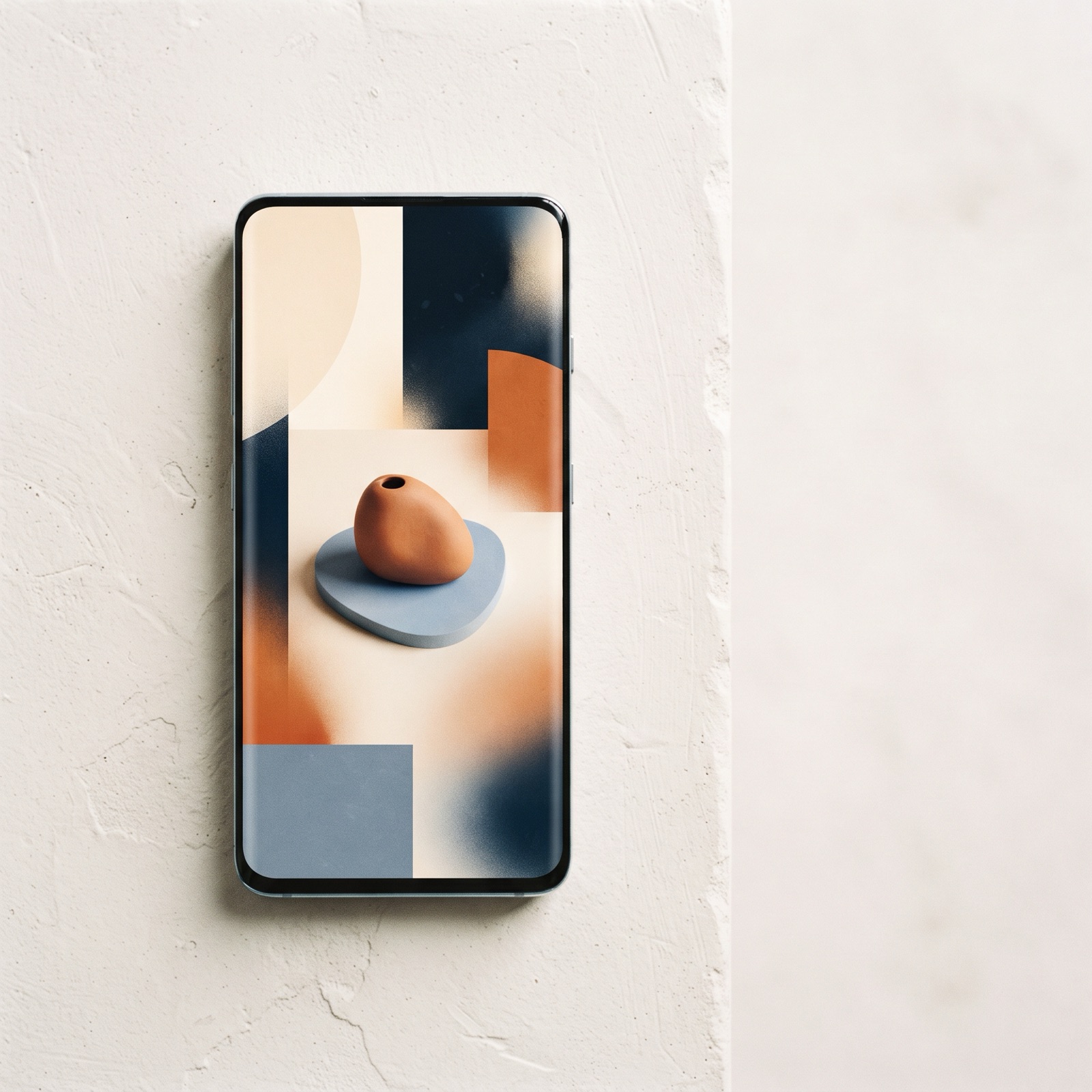
Editorial flat lay of a smartphone displaying a native vertical Meta Reels ad frame on a warm off-white surface.
On this page7 sections

Meta Reels AI ad creative specs in 2026 start with one number: 9:16 at 1080 x 1920 pixels, with a safe zone that keeps your hook, logo, and call to action clear of the top 250 pixels and bottom 340 pixels where Meta's UI overlays profile handles, captions, and the comment tray. AI Vidia builds Reels-native creative at that exact spec for DTC and consumer brands across 14 countries, and this guide gives the full format table, the safe zone math, and the AI Vidia protocol for deciding when a Reels-native asset beats a repurposed Feed crop. All figures below come from 1,834 AI videos and 70,342 AI images shipped for 48 brands inside EUR 2.4M+ of optimized paid media spend. Get the spec wrong and Meta's delivery system still serves the ad, it just serves it worse: cropped faces, covered captions, and a hook that reads as an afterthought rather than a placement-first creative.

What breaks when Reels specs are wrong

9:16REELS NATIVE RATIO
1080x1920RECOMMENDED RESOLUTION
3sHOOK WINDOW BEFORE SCROLL
99.2%AI VIDIA BRAND-SAFE PASS RATE

Reels is the highest-volume placement in most Meta ad accounts running in 2026, and it is also the least forgiving on spec. A 4:5 or 1:1 asset dropped into Reels gets pillarboxed with plain bars on either side, which cuts effective screen coverage by roughly a third and drops the product or face size below the point where a thumb-stopping scroll actually stops. Meta's own delivery data continues to reward full-bleed 9:16 creative with lower cost per impression in the auction, because the system treats format-native assets as higher quality signals. The second failure sits inside the frame itself: text, captions, or a logo placed in the top 250 pixels collides with the account handle and follow button, and anything inside the bottom 340 pixels gets covered by the caption line, the like and share icons, and the comment entry field on most devices.
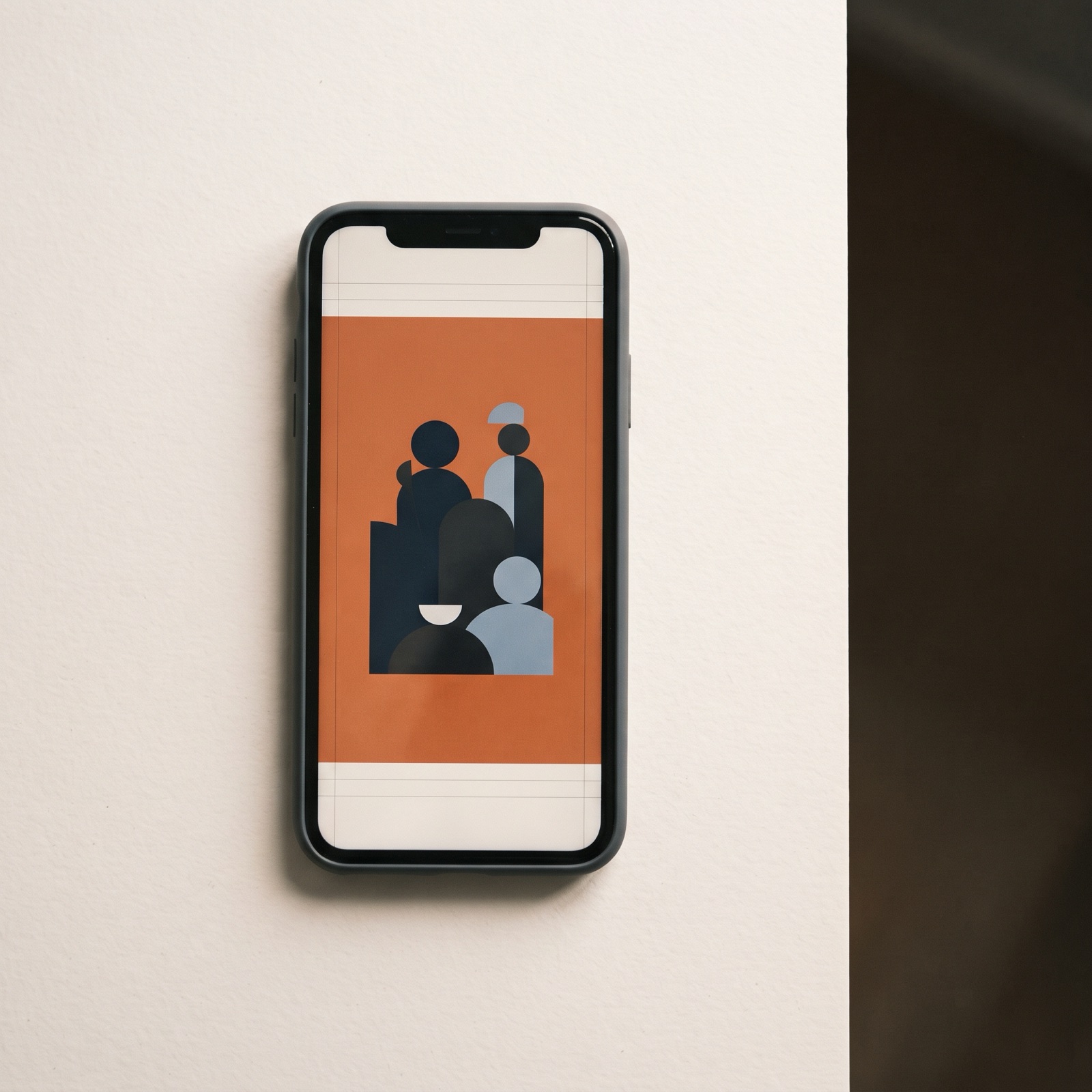
Editorial flat lay of a phone showing a vertical Reels ad frame with safe zone margins marked at top and bottom.
The Reels safe zone leaves roughly 1330 vertical pixels of usable creative space between the UI overlays.

The AI Vidia team treats this as a generation problem, not a cropping problem. Native 9:16 AI video and image generation puts the hook, the product, and the caption-safe copy inside the usable frame from the first render, instead of shooting or generating at 16:9 or 1:1 and hoping the crop survives. That single decision, generate native versus crop later, is the biggest lever most in-house teams are not pulling.

Meta placement specs compared: Reels, Stories, Feed, and in-stream

The table below is the full spec set the AI Vidia team briefs against for every Meta account. Reels and Stories share a ratio but not a safe zone; Feed tolerates more formats but converts worse on mobile scroll; in-stream video keeps the older 16:9 legacy spec for desktop and connected TV delivery.

PlacementAspect RatioRecommended ResolutionTop / Bottom Safe ZoneRecommended Length
Reels9:161080 x 1920250px / 340px7 to 15 seconds
Stories9:161080 x 1920220px / 250px5 to 15 seconds
Feed (mobile)4:5 or 1:11080 x 1350 or 1080 x 1080No hard overlay zone15 to 30 seconds
In-stream video16:91920 x 1080No hard overlay zone6 to 15 seconds
Advantage+ shopping9:16 primary, 1:1 fallback1080 x 1920250px / 340px on 9:1610 to 20 seconds
Side by side comparison of a pillarboxed 1:1 ad crop next to a native 9:16 Reels ad with full-bleed product framing.Native 9:16 Reels frame with hook text and product placed inside the safe zone.
Left: a 1:1 asset pillarboxed into Reels. Right: an AI Vidia native 9:16 render with the hook and product inside the safe zone.

Advantage+ shopping placements deserve a specific note. Meta's system will auto-generate a 9:16 version of a 1:1 or 4:5 asset if you do not supply one, using its own cropping and in-painting model, and that auto-crop routinely cuts off a product edge or centers on the wrong subject. Supplying a native 9:16 version yourself removes that auto-crop from the equation entirely and is one of the fastest wins available to a media buyer this quarter.

The AI Vidia Reels Placement Fit Protocol

This is the strategic decision model AI Vidia uses to decide, brand by brand, how much of the creative budget goes to Reels-native production versus repurposed Feed and Stories assets.

  1. Audit the current aspect mix. Pull the last 90 days of ad spend by placement and cross-reference against asset aspect ratio. Most accounts the AI Vidia team inherits are running 60 to 80% of Reels spend on a repurposed 1:1 or 4:5 asset, which is the single largest fixable leak in the account.
  2. Score each creative concept for native fit. A concept built around a tight product macro or a face-forward UGC frame translates well to 9:16 from the first render. A concept built around a wide lifestyle scene or a group shot loses too much information when generated vertically and should stay in Feed and Stories rather than being forced into Reels.
  3. Segment budget by fatigue window. Reels creative fatigues in 5 to 7 days at the spend levels the AI Vidia team sees across 48 brands, roughly half the fatigue window of Feed static. Placement-level budget needs a matching placement-level refresh cadence, not one shared creative calendar.
  4. Generate native at capture, never crop after. Set the AI generation brief to 9:16 from the first prompt for any concept scored for Reels. Cropping a 16:9 or 1:1 render after generation reintroduces the safe zone problem the whole protocol exists to avoid.
  5. Gate every asset on AI disclosure compliance. Meta's automated classifiers throttle delivery on unlabelled synthetic depictions of real people, places, or events within roughly 48 hours of detection. Build the disclosure check into the QA gate, not as an afterthought before launch.
  6. Assign hook-testing volume by placement, not by account. Reels earns 20 to 40 new variants per week in a healthy account; Feed and in-stream can run on 8 to 12. Splitting variant volume evenly across placements under-serves Reels and over-produces for slower-fatiguing formats.

The practical shift this implies: brief the AI generation stack in 9:16 first, then generate 4:5 and 1:1 variants as separate renders with their own safe framing, rather than asking one master asset to serve every placement through post-hoc cropping.
Want a structured plan for your AI creative pipeline?
20-minute call, no pitch deck.
Book a call

The AI Vidia Reels Production Cadence

This is the tactical execution sequence the AI Vidia team runs weekly to keep a Reels placement fed with native, on-spec creative without idle days between batches.

  1. Monday: pull winning hooks. Export the prior week's top 3 to 5 hooks by 3-second view rate and hold rate, the two metrics that predict Reels performance better than click-through rate alone.
  2. Tuesday: brief the AI batch. Generate 12 to 18 native 9:16 variants against the winning hooks, each with the product or face placed inside the 1330 pixel usable zone and caption-safe copy pre-positioned in the brief.
  3. Wednesday: run the brand-safe and disclosure QA gate. Every asset clears a brand-lock check against the style system and an AI disclosure check before it enters the ad account, the same gate that holds AI Vidia's pass rate at 99.2% across 48 brands.
  4. Thursday: launch the test matrix. Push the cleared batch live across 3 to 5 ad sets with matched budgets, so the learning phase compares creative rather than budget noise.
  5. Friday: read the 3-second and 15-second signals. Kill anything below the account's hold-rate floor before the weekend spend window, and flag the top 2 to 3 performers for scaling on Monday.
  6. Following Monday: fold winners back into the hook library. The cycle restarts with a hook library that compounds week over week instead of resetting from zero.

Proof: what native Reels specs do to cost per acquisition

The clearest public example of this cadence is the IndianBites case study, a fast-growing DTC food brand with a limited production budget and a Meta account starving for fresh creative. Traditional food photography could not keep up with the weekly testing cadence the account needed, so AI Vidia built a brand-locked style system and shipped a weekly 12-variant batch of native 9:16 food hero shots, recipe-in-action sequences, and UGC-style creator frames. Over 11 weeks, the account shipped 142 AI ads, ran 12x its prior weekly test volume, and cut creative production cost 62% while lifting ROAS 2.4x on the winning cohort.

"Native spec is not a nice-to-have. It is the difference between an ad the algorithm wants to show cheaply and an ad it tolerates showing expensively."

Flat lay of a printed cost report next to a stack of vertical phone mockups showing native Reels ad frames.
Native 9:16 generation removes the crop step entirely from the weekly batch.

The pattern holds across the AI Vidia team's wider book: 30+ variants shipped each week on average, 48 hours from concept to first creative in a media buyer's hands, and a 99.2% brand-safe pass rate across 70,342 AI images and 1,834 AI videos delivered for 48 brands in 14 countries.

When each Reels spec choice actually wins

Native 9:16 generation wins when the concept is product-forward, face-forward, or UGC-style, and when the account is already spending enough on Reels that a 5 to 7 day fatigue window is emptying the ad set faster than new creative arrives. A repurposed 4:5 Feed asset can still work in Reels as a stopgap for a brand-new account still finding its winning hooks, provided the safe zone margins are checked manually before launch. A wide lifestyle or group scene almost never survives a vertical crop and should stay out of the Reels rotation entirely rather than being forced into a ratio it was never composed for. And any asset depicting a real person, place, or event synthetically needs the AI disclosure label checked before it enters rotation, regardless of which placement it targets, because Meta's classifier does not distinguish between a strong creative and a compliant one.

Where to take this next

Auditing your current Reels aspect mix against the spec table above is a half-day exercise that most in-house teams can run this week. Turning that audit into a native 9:16 production line at 20 to 40 variants per week is the part that usually needs a dedicated creative pipeline, which is what AI Vidia's AI video ad production service is built for. For teams that want the specifics translated into their own account, the fastest next step is to book a call with the AI Vidia team and walk through your current Reels performance against the fit protocol above. For a deeper look at the broader Meta creative economy shift, see how AI Vidia builds for Meta's 2026 creative economy, and for the underlying scaling model, see the AI Vidia framework for shipping 100 ad variants a week.

Frequently asked questions

01What is the exact aspect ratio for Meta Reels ads in 2026?
Meta Reels ads use a 9:16 vertical aspect ratio at a recommended resolution of 1080 x 1920 pixels. This matches the full-screen vertical frame Reels uses across both organic and paid placements. Assets supplied in 4:5 or 1:1 get pillarboxed with bars on either side, which reduces effective screen coverage and lowers thumb-stopping impact. AI Vidia generates Reels creative natively at 9:16 rather than cropping a wider master asset after the fact.
02What is the Reels safe zone and why does it matter?
The Reels safe zone is the area of the 1080 x 1920 frame not covered by Meta's UI overlays, roughly the top 250 pixels and bottom 340 pixels of the frame. The top zone overlaps the account handle and follow button, and the bottom zone overlaps captions, the like and share icons, and the comment entry field. Placing a hook, logo, or call to action inside either zone means it gets visually covered on most devices. AI Vidia briefs every native Reels asset with the hook and product framed inside the roughly 1330 usable vertical pixels between these two zones.
03How long should a Meta Reels ad be in 2026?
AI Vidia's recommended range for Meta Reels ads is 7 to 15 seconds, with the first 3 seconds carrying the full weight of the hook before a viewer scrolls past. Longer assets between 15 and 30 seconds still work for consideration-stage offers, but hold rate drops sharply after the 15 second mark on Reels specifically. Stories tolerate a slightly shorter optimal range of 5 to 15 seconds. Length should be set by the hook's ability to earn a 3-second view, not by how much product information the brand wants to include.
04Does Meta auto-crop my creative for Reels if I only supply one format?
Yes, Meta's Advantage+ system will auto-generate a 9:16 version of a 1:1 or 4:5 asset if no native vertical version is supplied, using its own in-painting and cropping model. This auto-crop routinely cuts off a product edge, centers on the wrong subject, or introduces visible artifacts around the crop boundary. Supplying a native 9:16 render yourself removes Meta's auto-crop from the delivery pipeline entirely. AI Vidia treats this as one of the fastest fixable leaks in an existing Meta ad account.
05Do AI-generated Reels ads need a disclosure label?
Yes, Meta's AI content policy requires a disclosure label on any ad where generative AI has produced a photorealistic depiction of a real person, a real place, or a real event, and this applies to Reels the same as any other placement. Meta's automated classifiers can throttle delivery within roughly 48 hours of detecting an unlabelled synthetic depiction that should have carried the label. Fully synthetic products, abstract scenes, and illustrated content generally fall outside the labeling requirement. AI Vidia builds the disclosure check into its QA gate before any asset enters an ad account, which is part of how the team holds a 99.2% brand-safe pass rate across 48 brands.
06How many Reels creative variants should a brand test per week?
AI Vidia recommends 20 to 40 new Reels variants per week for an account already spending meaningfully on the placement, roughly double the volume needed for Feed or in-stream video given how quickly Reels creative fatigues. Reels fatigue windows run 5 to 7 days at typical mid-market spend levels, compared to a longer window for static Feed creative. A brand just starting to test Reels can begin with a smaller weekly batch of 12 to 18 variants and scale volume as winning hooks emerge. Matching variant volume to each placement's fatigue rate, rather than running one shared creative calendar, is the core mechanic behind AI Vidia's weekly production cadence.

Next step

Get your first 12 on-brand AI variants in 14 days.

Book a 20-minute strategy call with the AI Vidia team. No pitch deck, just a structured plan for your creative output.

Book a call

Read next