
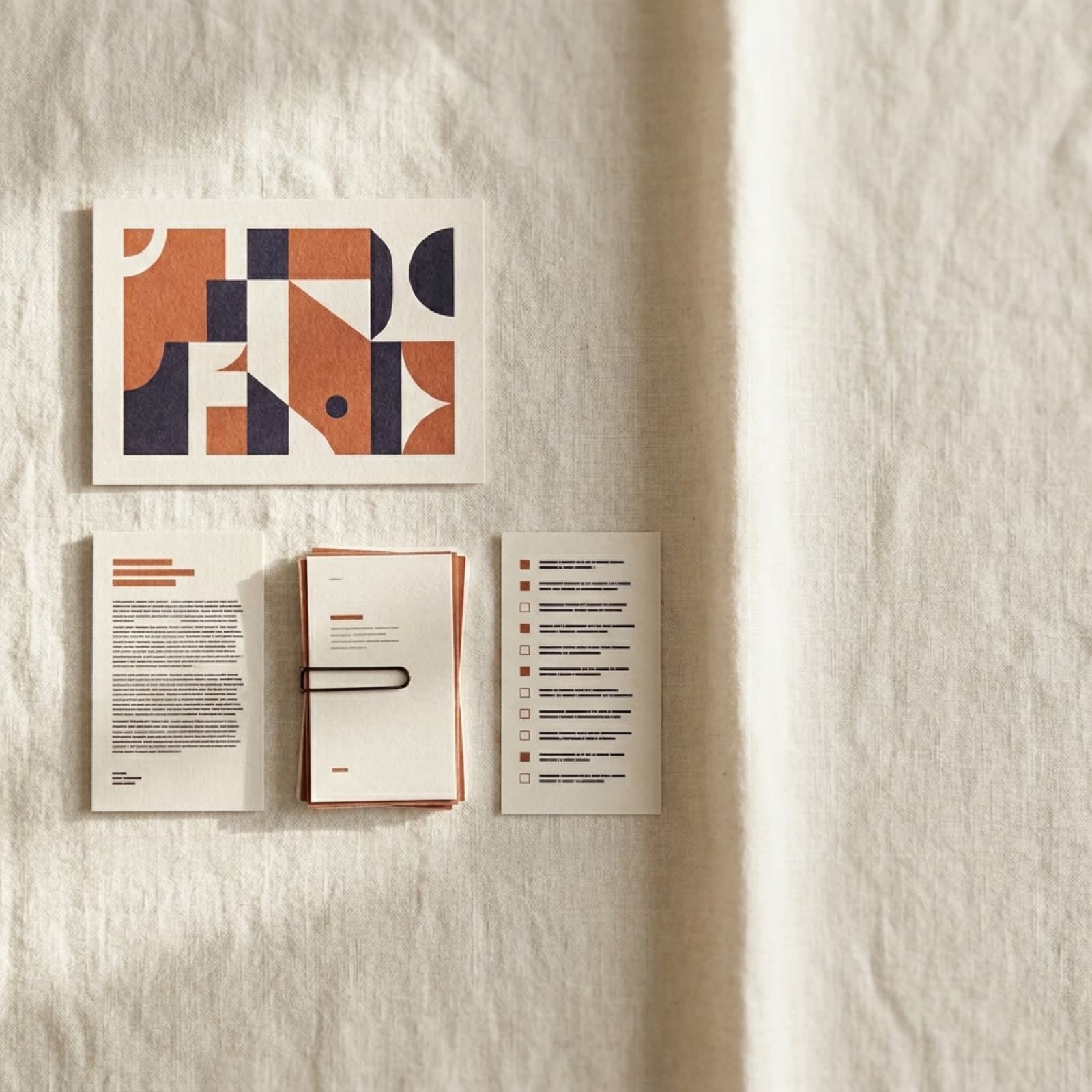
A visual system records decisions that make production and approval easier. It is not a technical guarantee against product drift. Define what must stay consistent, where variation is allowed and what requires rejection.
Use approved references
Collect original images of the correct variant from relevant angles, colours, logo, typography and brief lighting guidance. Explain why examples are approved rather than relying on abstract brand adjectives.
Include rejected examples showing unclear labels, wrong colours or misleading materials, with precise notes. This helps new producers identify issues that product experts already recognise.
AI Vidia's fictional-product demo shows what those notes look like in practice, with every rejected ad image and the reason it failed. The product, a face serum called HAVREL Daily Drop, does not exist, and neither does the brand. Its 4 reference images were AI-generated, and every verdict came from an AI review pass. On a client job, a creative director at AI Vidia checks every file before it reaches you.
Maintain an operational system
Version the system and name an owner. Packaging changes should identify replaced references and affected ads. An obsolete image should not remain labelled approved.
Protect identity and product facts while allowing different questions, scenes and narratives. Test the system on a new brief and improve it using the questions producers still need to ask.