AI/Vidia
All insights

Best AI Product Photography Services in 2026

Neutral roundup of AI product photography services for 2026: self-serve tools, hybrid studios, and done-for-you retainers compared on volume and brand control.

Founder, AI Vidia
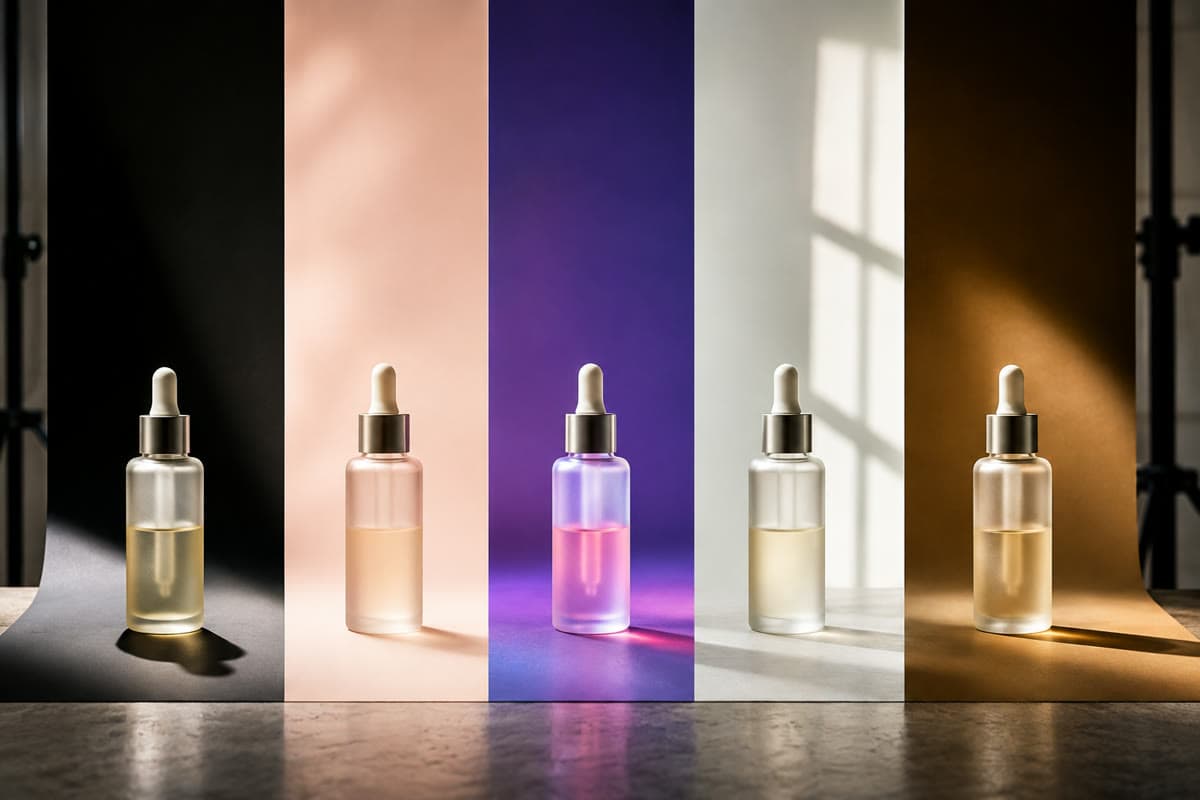
Five identical product bottles lit five different ways on a studio tabletop
On this page8 sections

AI product photography services fall into three models in 2026: self-serve tools, hybrid studios, and done-for-you services. AI Vidia, a Denmark-based AI content production studio, publishes this roundup and appears in it; the disclosure is spelled out below. The short version for a busy buyer: pick a self-serve tool when one designer and a small catalog can cover your needs, pick a hybrid studio when you still want real photography per shoot, and pick a done-for-you service when you need monthly ad-ready image volume with someone accountable for brand control. AI Vidia has shipped 70,342 AI images at a 99.2% brand-safe pass rate using the done-for-you model.

Full disclosure, stated plainly: AI Vidia wrote and published this page, and AI Vidia is one of the eight entries compared below. The comparison table applies the same four criteria to every entry: service model, best fit, volume ceiling, and brand control. AI Vidia is not ranked number one, and no entry is. The roundup is organized by service model so that your catalog, your team, and your risk profile pick the winner, not the publisher.

Why AI product photography split into three service models

8SERVICES COMPARED
3SERVICE MODELS
70,342AI IMAGES SHIPPED BY AI VIDIA
99.2%BRAND-SAFE PASS RATE

The demand side explains the split. Meta for Business reports that campaigns with 5 or more creative variations see 30 to 50 percent lower CPA, which turns product imagery from a quarterly project into a weekly feed. Content Marketing Institute 2025 found 73% of B2B marketing teams cite producing enough content as their biggest challenge. A DTC brand running paid social now needs every SKU rendered in every ratio, every season, against every angle worth testing. No single staffing model covers that range, so the market split into tools for operators, hybrids for shoot-based teams, and services for volume buyers.

The risk side explains why the split matters. Generic AI product photography has four documented failure modes: shape distortion, where the product's proportions warp between renders; logo hallucination, where marks and label details are invented or mangled; color drift, where the hero colorway shifts scene to scene; and material inaccuracy, where glass reads as plastic or knit reads as print. All four are catalog killers on paid social, because the ad is the product page's first impression. Composite and brand-locked approaches exist specifically to prevent them: the real product photograph is locked as a reference, scenes are generated around it, and a QC gate scores every output against the reference before anything ships.

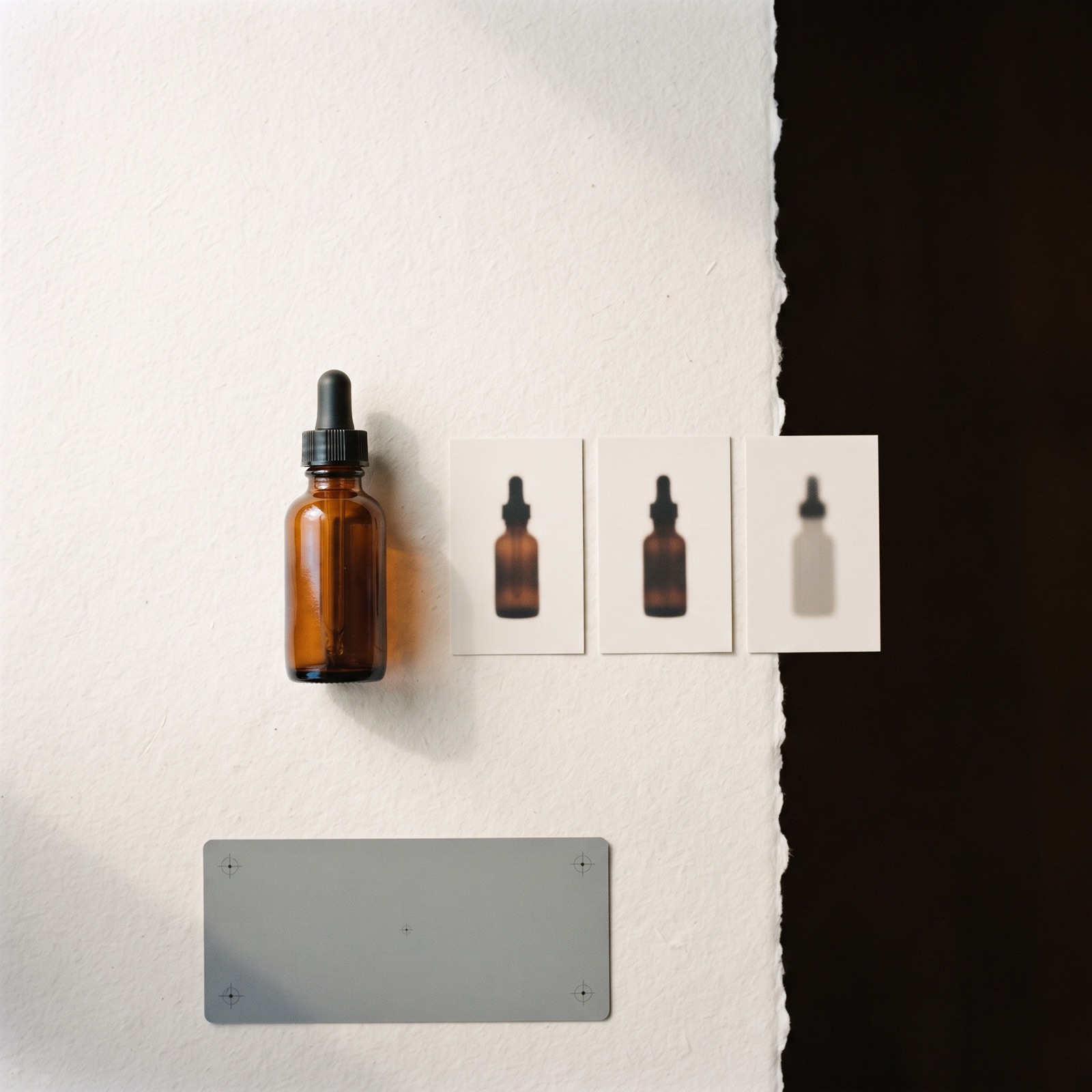
Overhead studio scene of an amber glass product bottle beside photo reference cards and a grey calibration card, arranged as a brand-lock reference station.
Brand-locked systems anchor every generated scene to reference photography, which is what prevents shape, logo, color, and material drift.

The 2026 comparison: eight options across three models

The table below compares the eight options a DTC or ecommerce team actually shortlists in 2026. Model describes who does the work. Volume ceiling describes what caps output in practice. Brand control describes how consistency is enforced. Third-party entries are described at the category level; none of their pricing or internal specifics are claimed here.

ServiceModelBest forVolume ceilingBrand control
PhotoRoomSelf-serve toolFast single-SKU shots, mobile-first workflowsHigh per image, capped by operator timeManual, checked image by image
PebblelySelf-serve toolQuick AI background scenes for product imagesCapped by operator timeManual, scene presets
Flair.aiSelf-serve toolTemplated branded product scenesCapped by operator timeTemplate level
Claid.aiAPI serviceCatalog-scale enhancement and generationHigh, gated by engineering setupRule-based, needs developer configuration
BotikaSelf-serve toolOn-model apparel shots with virtual modelsHigh for apparel catalogsGarment fidelity focus, manual review
soonaHybrid studioReal studio shoots extended with AI toolsPer-shoot bookingsStudio-graded per shoot
In-house MidjourneyDIY workflowExploratory concepts, style researchCapped by staff timePrompt-dependent, drifts without a system
AI VidiaDone-for-you serviceMonthly ad-ready volume for paid social30+ variants shipped each weekBrand-locked style system, 99.2% pass rate

The self-serve tools earn their place. PhotoRoom is the strongest fit for a mobile-first operator producing high volumes of clean single-SKU shots. Pebblely gets a product onto an AI-generated scene in minutes and suits small catalogs testing whether AI imagery converts at all. Flair.ai adds a design layer, templates and branded scene composition, which suits teams that want more art direction than a background swap. All three share the same structural limits: output scales with operator hours, and consistency depends on the person driving the tool.

Claid.ai is a different animal: an API-driven pipeline for enhancing and generating catalog imagery at scale. It fits teams with engineering resources that want imagery quality enforced programmatically across thousands of SKUs. The trade is that the brand logic must be specified and maintained by your own developers.

Botika covers the apparel case the general tools do not: on-model photography with virtual models. Fashion needs on-model shots at size-range breadth, every garment on multiple body types without booking a shoot per drop, and that is exactly the workload virtual models compress.

Home and lifestyle brands have the mirror-image workload: room-scene mockups at scale. A wall-art catalog needs every artwork rendered in every room style and every frame variant, which multiplies into thousands of images no shoot budget survives. That is a batch-render problem, and it is the reason the AI Vidia team built its AI product photography work for home and lifestyle brands around scene libraries rather than one-off scenes.

soona is the honest pick when the answer to "do you still need real photography?" is yes. It is a hybrid: real studio shoots on a per-shoot pricing model, extended with AI tooling. Teams that need genuine hero photography plus AI variants often land here. For the underlying trade-off, the AI Vidia analysis of AI product photography versus a real studio shoot covers where each wins on cost and control.

The in-house Midjourney workflow deserves a fair reading, because AI Vidia meets it in almost every evaluation. It wins on cost of entry and creative range; a strong art director can produce striking exploratory imagery in an afternoon. It breaks on three fronts: consistency, because keeping one product's shape, label, and colorway stable across dozens of scenes fights the tool's design; licensing ambiguity, because commercial-rights terms and disclosure obligations move faster than most legal reviews; and staff time, because the workflow quietly becomes a designer's second job. The failed in-house Midjourney experiment is one of the most common events that precedes a first call with the AI Vidia team.

AI Vidia is the done-for-you entry: a brand-locked style system built per client, a prompt library that encodes it, batch renders, QC gates on a fixed scored rubric, and delivery shipped ad-ready into Meta and TikTok on a monthly retainer. The model fits brands that need volume every month and want accountability for the misses to sit outside their own team.

Want a structured plan for your AI creative pipeline?
20-minute call, no pitch deck.
Book a call

The Tool-or-Service Test

This is the strategic framework the AI Vidia team uses to route a brand to the right model before any tooling discussion. Five diagnostic questions, answered honestly, sort nearly every case. Score each answer toward tool, hybrid, or service, and let the majority decide.

  1. SKU count. Count active SKUs that need imagery this quarter. A catalog under roughly 20 active SKUs is tool territory; one operator can keep pace. A catalog of 50 plus, or one with seasonal refreshes across colorways, pushes toward an API pipeline or a done-for-you service, because per-image manual work stops scaling.
  2. Variant demand per month. Count the images paid social actually consumes. Under 30 images per month, a tool plus a competent designer covers it. Past 100 ad-ready variants per month, batch rendering with QC becomes the constraint, and that is service territory regardless of how good the tool is.
  3. Brand-consistency stakes. Ask what a wrong render costs. A relaxed brand testing scenes can tolerate drift. A brand with strict guidelines, regulated claims, or packaging that legal signs off on needs locked reference systems and a scored QC gate, which tools do not enforce on their own.
  4. In-house design capacity. Count real hours, not headcount. A team of three designers cannot produce 200 assets per month when they are already stretched at 40. If no one owns the AI workflow as a first job, the tool becomes shelfware or a burnout channel; a hybrid or service moves the labor out.
  5. Licensing and compliance exposure. Check who carries the risk. Tool terms of service, commercial-use rights, and AI disclosure rules differ by tool and by market. If your category is regulated or your legal team is cautious, weight toward providers that contract on ownership and compliance rather than leaving it to internal prompt authors.

Three or more answers pointing the same direction is a decision. A split verdict usually means running a tool for exploration while a service carries production volume, which is a common and stable end state.

Kevin's take

That reframe is why this page routes by situation instead of ranking. A brand that knows its SKU count, variant demand, and risk profile can pick correctly from the table above in about five minutes, and two brands with different answers should leave with different winners.

The Catalog-to-Creative Pipeline

This is the tactical framework behind the done-for-you model: how a product catalog becomes monthly ad-ready image volume. AI Vidia runs the six steps below on every engagement; a capable in-house team can run the same sequence with tools, provided every step has a named owner.

  1. Style lock. Build the brand-locked reference set per product family: hero photography, approved colorways, lighting language, surface and prop rules. The lock is what the four failure modes are checked against. Without it, every render is a fresh negotiation with the model.
  2. Prompt library. Encode the lock as a versioned prompt library, one per product family and scene type. The library turns individual prompt craft into a reusable asset the brand owns, which is the difference between a workflow and a person.
  3. Batch render. Render in batches against the library, not image by image. Batching is what makes catalog math work: every artwork in every room style and every frame variant for a home decor brand, or every garment on the full size range for apparel.
  4. QC gate. Score every output against the reference set on a fixed rubric before anything reaches the client: shape, logo, color, material, plus platform policy. AI Vidia's gate holds a 99.2% brand-safe pass rate across 70,342 shipped images. Anything that fails is rerendered, not repaired downstream.
  5. Ratio cuts. Cut approved masters into the placement set, 9:16, 1:1, 4:5, and 16:9, so every image lands in the ad account ready for every placement instead of waiting on a resize queue.
  6. Ship. Deliver named, organized, and ad-ready into Meta and TikTok on a fixed monthly cadence, with naming conventions the media buyer can filter. The pipeline's output is not a folder of images; it is a feed the ad account can consume weekly.

Proof: the done-for-you model under load

AI Vidia has shipped 70,342 AI images and 1,834 AI videos across 48 brands in 14 countries, with EUR 2.4M+ in ad spend optimized behind the output and a 99.2% brand-safe pass rate through the QC gate described above. On product imagery specifically, output holds consistent across 50+ ads on product, which is the number that matters for a catalog under paid social load.

The live public case is IndianBites, a fast-growing DTC food brand with a limited production budget and a Meta account starving for fresh creative; traditional food photography couldn't keep up with the weekly testing cadence. The AI Vidia team built a brand-locked style system tuned against their existing hero imagery, lighting, plateware, garnish language, and shot framing, then shipped a weekly 12-variant batch. In 11 weeks: 142 AI ads shipped, 12x weekly test volume, creative production cost down 62 percent, and 2.4x ROAS on winning cohorts. The full breakdown is in the IndianBites case study.

A tool sells you the ability to make images. A service sells you the images, on brand, every month, with someone accountable for every miss.
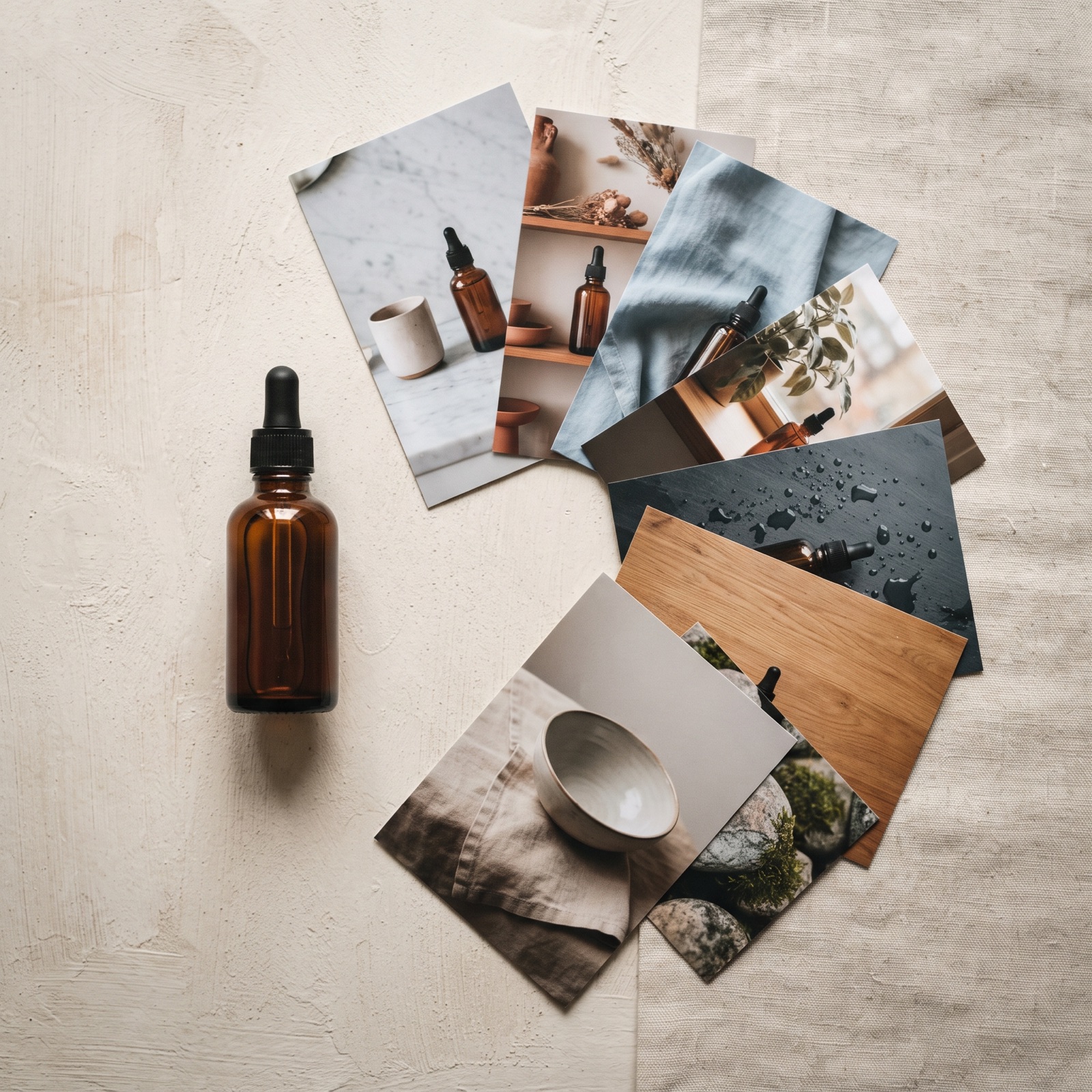
A single amber dropper bottle beside a fan of photo cards, each showing the same bottle staged in a different scene: marble, shelving, blue linen, windowsill, wet slate, wood and stone.
Batch renders only become ad-ready volume after the QC gate; the pipeline is the product, not any single image.

When each option wins

A self-serve tool wins when one operator with real hours owns it, the catalog is small, and monthly image demand stays under about 30. PhotoRoom, Pebblely, and Flair.ai are respectively the speed pick, the simplicity pick, and the design pick within that model.

An API pipeline wins when engineering capacity exists and the catalog is measured in thousands of SKUs. Claid.ai's category is built for that shape of problem, and no manual tool competes with it at that scale.

A hybrid studio wins when the brand still needs genuine photography per shoot and wants AI as an extension rather than a replacement. soona's per-shoot model fits teams that think in shoots, not in monthly feeds. Botika wins the specific apparel case where on-model breadth across sizes is the bottleneck.

A done-for-you service wins when paid social consumes 100+ variants per month, brand consistency carries real stakes, and no in-house owner exists. The in-house Midjourney workflow wins exploration and mood work on any budget; it loses production the moment consistency, licensing, and staff time start compounding.

The next step

If the test above routed you to a tool, start a trial this week and give one operator real hours. If it routed you to the done-for-you model, review the AI Vidia AI product photography service, then book a 30 minute product photography scoping call. The AI Vidia team ships the first creative within 72 hours of kickoff, and the style lock for a first product family is typically standing inside the first week.

Frequently asked questions

01What are AI product photography services?
AI product photography services produce product imagery with generative AI instead of, or alongside, a physical studio shoot. In 2026 the market splits into three models: self-serve tools such as PhotoRoom, Pebblely, and Flair.ai, hybrid studios such as soona that combine real shoots with AI, and done-for-you services such as AI Vidia that deliver finished ad-ready images on a retainer. The right model depends on SKU count, monthly variant demand, and how much brand-consistency risk the catalog carries. Tools sell capability; services sell finished output with accountability.
02Should a brand use an AI product photography tool or a done-for-you service?
Run the Tool-or-Service Test: SKU count, variant demand per month, brand-consistency stakes, in-house design capacity, and licensing exposure. A tool fits a small catalog with one operator who has real hours and monthly demand under about 30 images. A done-for-you service fits brands that need 100 or more ad-ready variants per month with enforced brand control and no internal owner. Many brands stabilize on both, a tool for exploration and a service for production volume.
03Can AI product photography handle apparel and on-model shots?
Yes, and apparel is one of the strongest use cases because the workload multiplies fast. Fashion catalogs need on-model shots at size-range breadth, meaning every garment shown on multiple body types for every drop. Category tools like Botika generate on-model photography with virtual models, and done-for-you services build locked model and style sets so the same faces and framing hold across a whole season. The check that matters is garment fidelity: fabric, fit, and print must survive generation, which is a QC question more than a model question.
04What goes wrong with generic AI product photography?
Generic AI product photography has four documented failure modes. Shape distortion warps the product's proportions between renders; logo hallucination invents or mangles marks and label details; color drift shifts the hero colorway from scene to scene; and material inaccuracy makes glass read as plastic or knit read as print. All four come from regenerating the product itself instead of locking it. Composite and brand-locked approaches prevent them by anchoring generation to real reference photography and scoring every output against the reference before it ships.
05How do done-for-you AI product photography services keep images on brand?
The mechanism is a pipeline, not a promise. A style lock fixes the reference photography, approved colorways, and lighting language per product family; a prompt library encodes that lock as a reusable asset; batch renders run against the library; and a QC gate scores every image on shape, logo, color, and material before delivery. AI Vidia's version of this pipeline holds a 99.2% brand-safe pass rate across 70,342 shipped AI images. Failed renders are rerendered rather than retouched, which keeps the reference authoritative.
06Is this roundup neutral if AI Vidia publishes it and appears in it?
The page is self-inclusive by design and says so plainly: AI Vidia wrote it and is one of the eight entries. Neutrality is handled through structure rather than claimed through tone. The comparison table applies the same four criteria to every entry, AI Vidia is not ranked first, and the roundup is organized by service model so the reader's situation selects the winner. Where a competing model genuinely fits better, such as a hybrid studio for shoot-based teams or a tool for small catalogs, the page says that directly.

Next step

Get your first 12 on-brand AI variants in 14 days.

Book a 20-minute strategy call with the AI Vidia team. No pitch deck, just a structured plan for your creative output.

Book a call

Read next