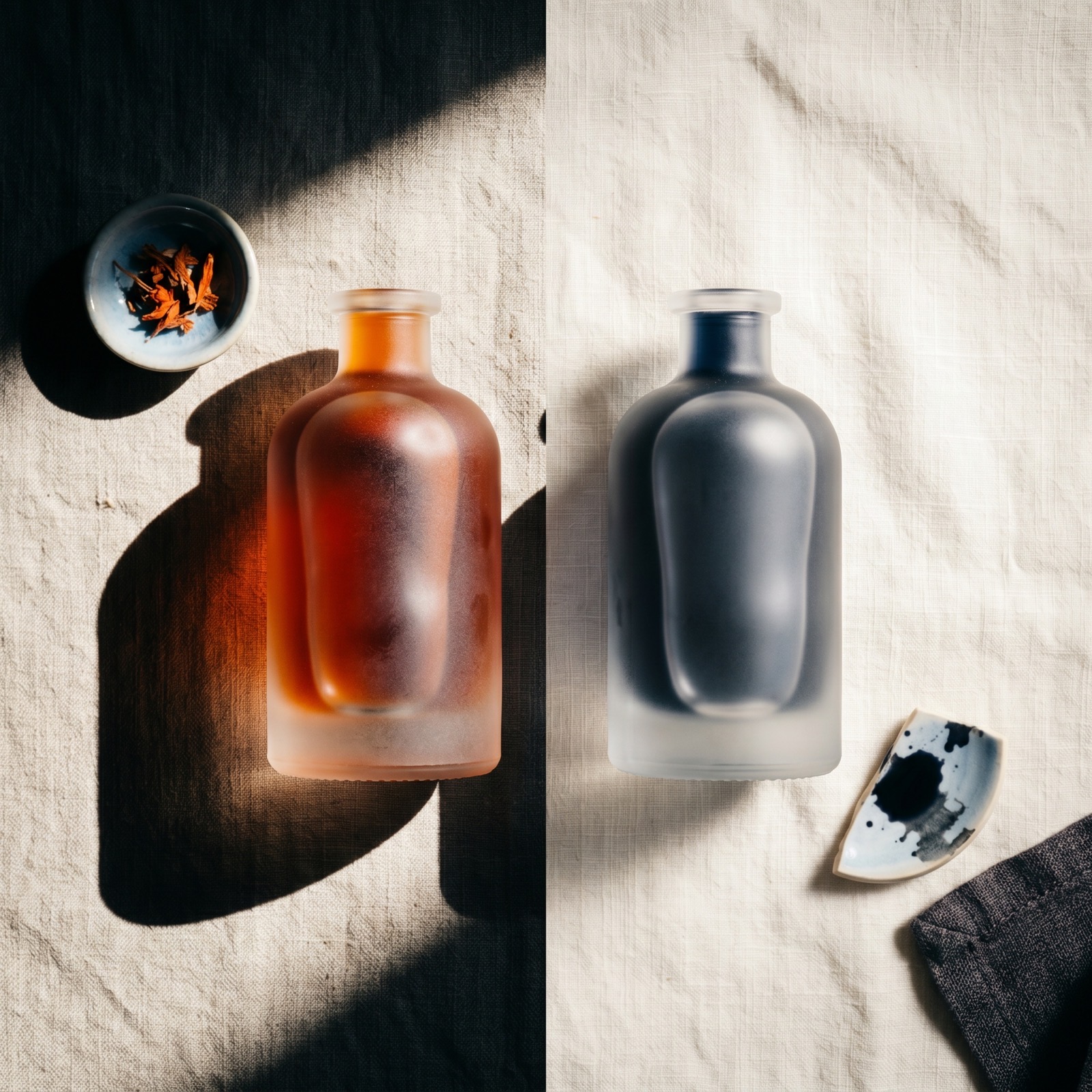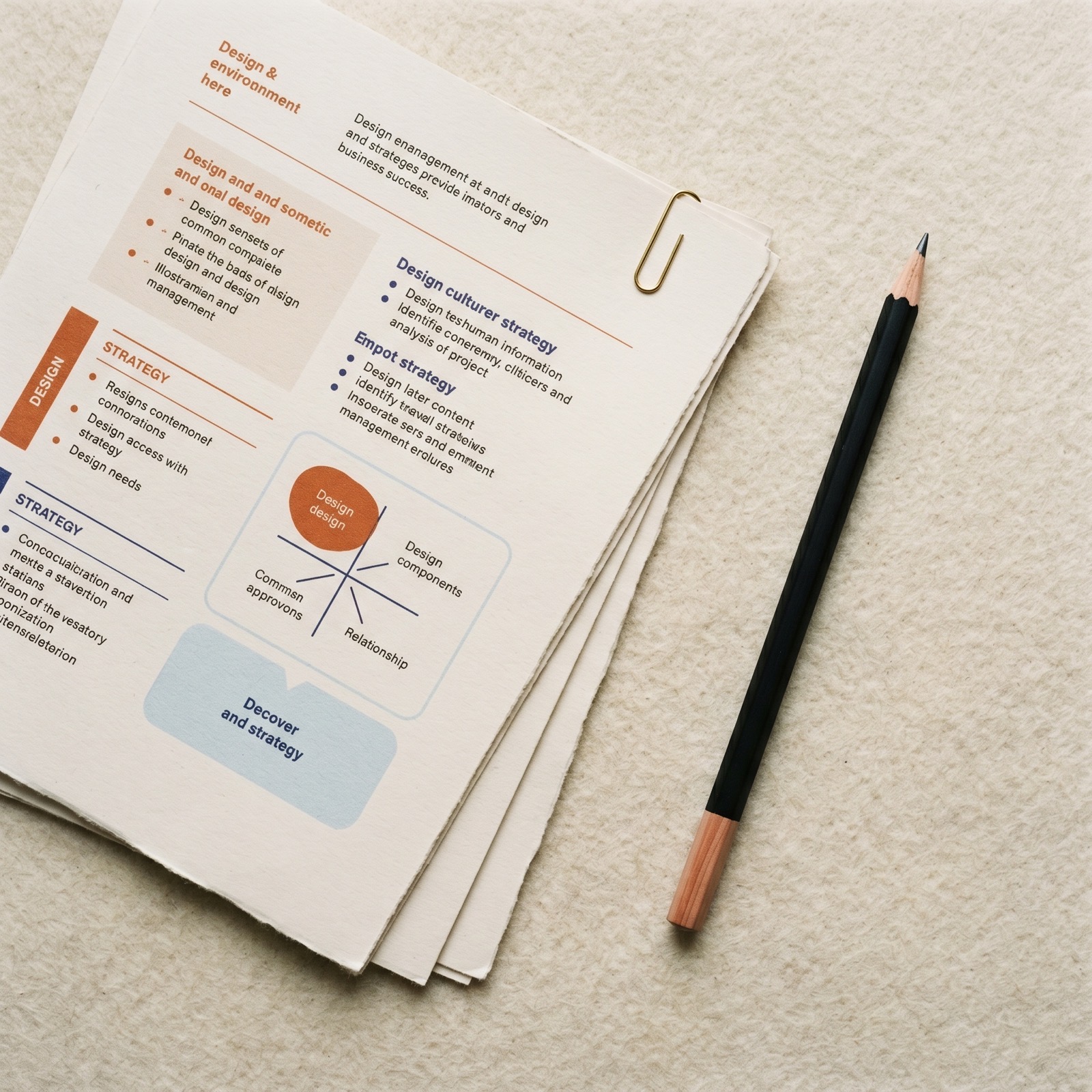

When choosing between Kling, Pika and Luma, the purpose of the short clip matters more than a general ranking. Evaluate the product, movement and editing as parts of a finished ad.
Start with three concrete shot requirements
A product close-up, a person holding the item and a visual effect place different demands on production. List the planned scenes and what each should explain to the customer. Know which images you need before commissioning a model trial.
Use product identity as the common reference. Supply approved images and accurate details about shape, colour and use. If a tool cannot accept the type of reference required, record that limitation.
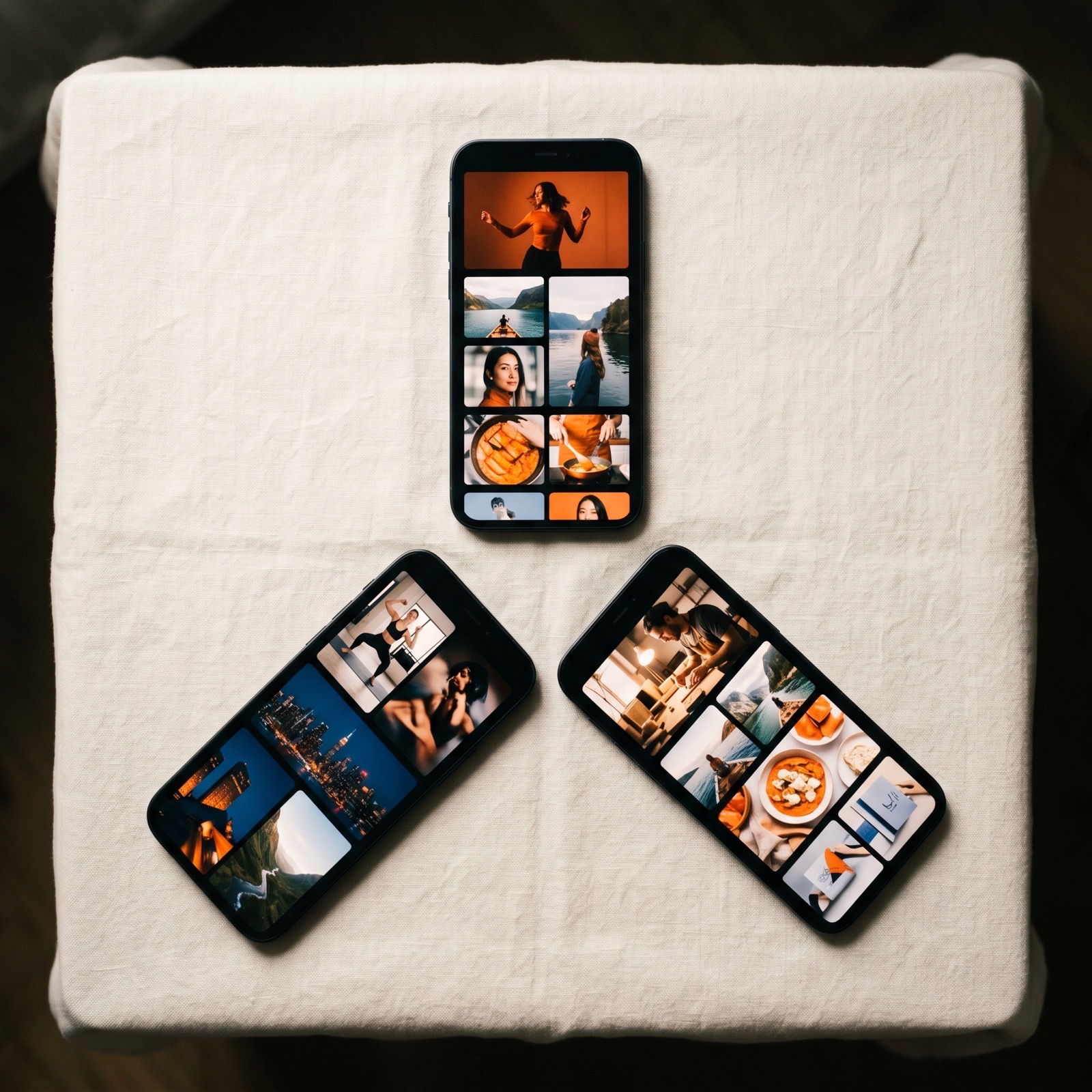
Distinguish effects from demonstrations
A surprising transition or transformation may be a stylistic idea, but it should not obscure what the product can actually do. If a liquid changes colour or a container changes size, assess whether the scene implies something untrue.
A product demonstration must show the correct function. An attractive effect cannot compensate for a lid opening incorrectly or an item changing appearance. Agree this distinction before making more variants.
A hypothetical sports-bottle trial
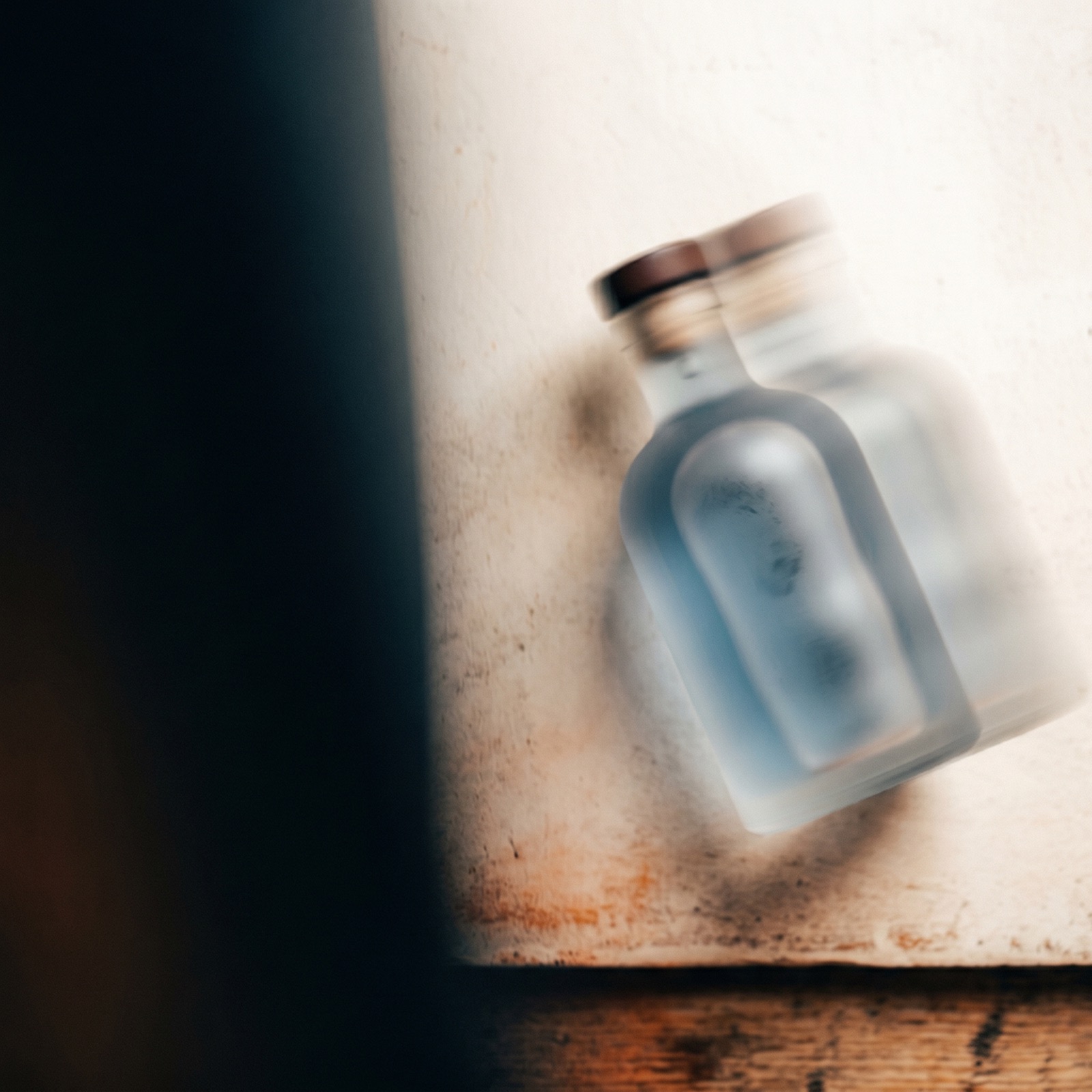
Suppose you need a simple bottle rotation, a hand lifting it and a graphic transition into the end frame. Test each scene separately. Note whether the label stays intact, the hand obscures essential details and the transition leaves room for approved copy.
Assemble the selected clips in one edit. A strong standalone scene may be difficult to combine with the rest because of lighting or camera angle. Assess the finished video as well as individual generations. This is a proposed trial, not evidence that a particular model wins a scene category.