A problem-solution video ad works when the viewer can see the problem in the first frame. The ad then shows the product removing it, proves the result with something real and asks for the click. Copywriters know the same shape as PAS: problem, agitation, solution.
The structure is simple. The timing is where most cuts lose the viewer, so this beat sheet assigns every second of a 15 and a 30 second vertical cut to one job.
What is a problem-solution ad, and when does it fit a physical product?
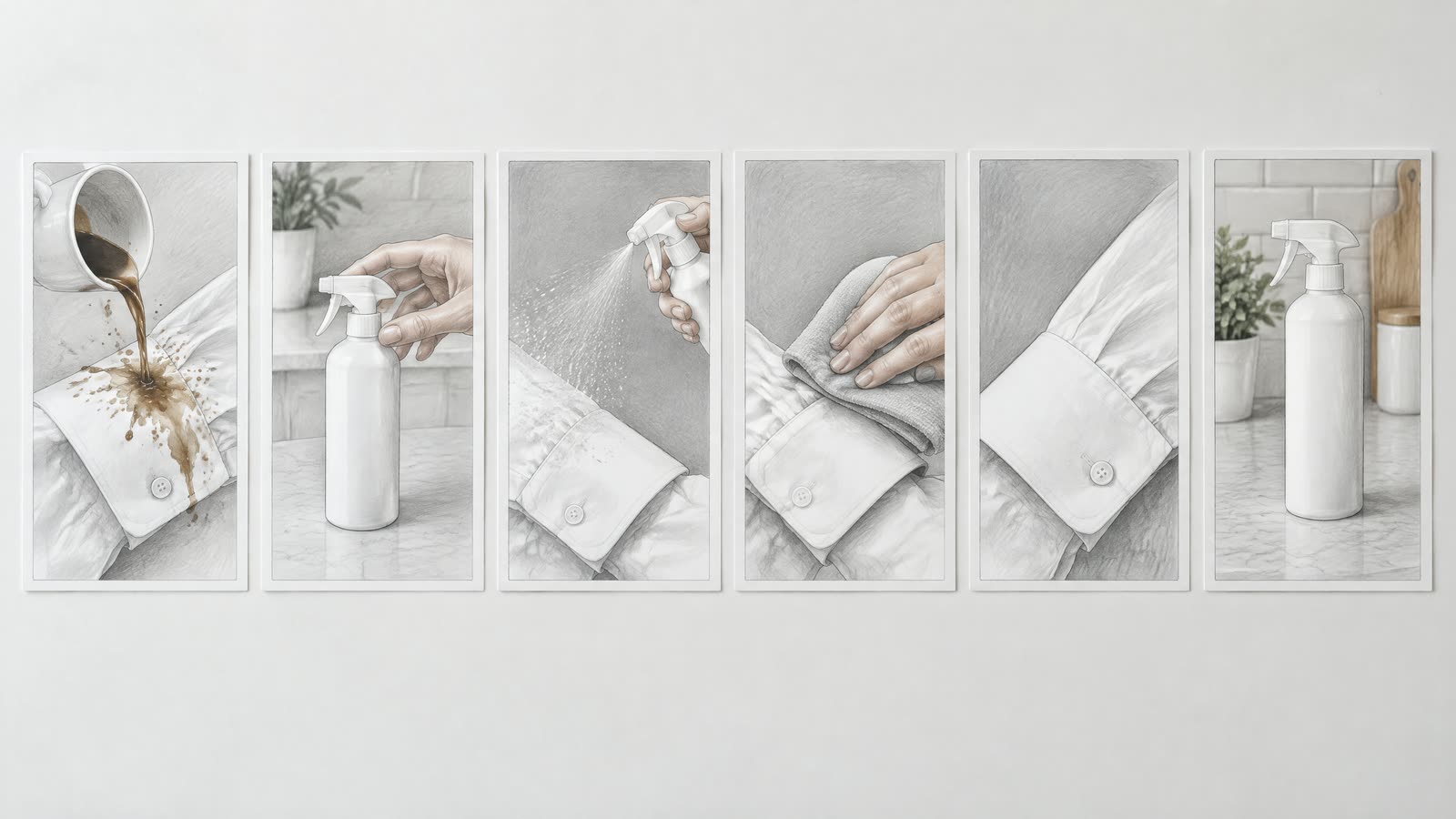
It fits products whose problem is visible on camera within two seconds: a coffee stain on a white cuff, a drawer of tangled cables, muddy paw prints across a pale rug. If you can photograph the annoyance, you can open on it.
It fits badly when the problem is slow, internal or about someone's body. Supplements, skin conditions and weight belong in that group, and the platforms restrict how you show them, which the section on dramatizing covers below. For those products a demonstration or an unboxing usually carries the ad better; the overview of video ad formats for physical products helps you pick one.
Test it on one sentence.
If you cannot describe the problem as a single shot that a stranger would recognise without a caption, write a different kind of ad, because the opening seconds will end up carried by text that most viewers scroll past before they read it.
What has to happen in the first three seconds?
The problem has to be on screen at 0:00, and the promise has to be readable by 0:03. TikTok's creative best practices (last updated June 2025, read 9 October 2026) give two clocks: introduce the proposition in the first 3 seconds for recall, and prioritize the hook in the first 6 seconds for watch time.
Grade that advice for what it is. It is platform guidance with no published method or sample, so treat it as TikTok's rule of thumb about its own feed. It still matches how a problem-solution ad has to open, because the problem shot is the hook and the proposition line is the reason to keep watching.
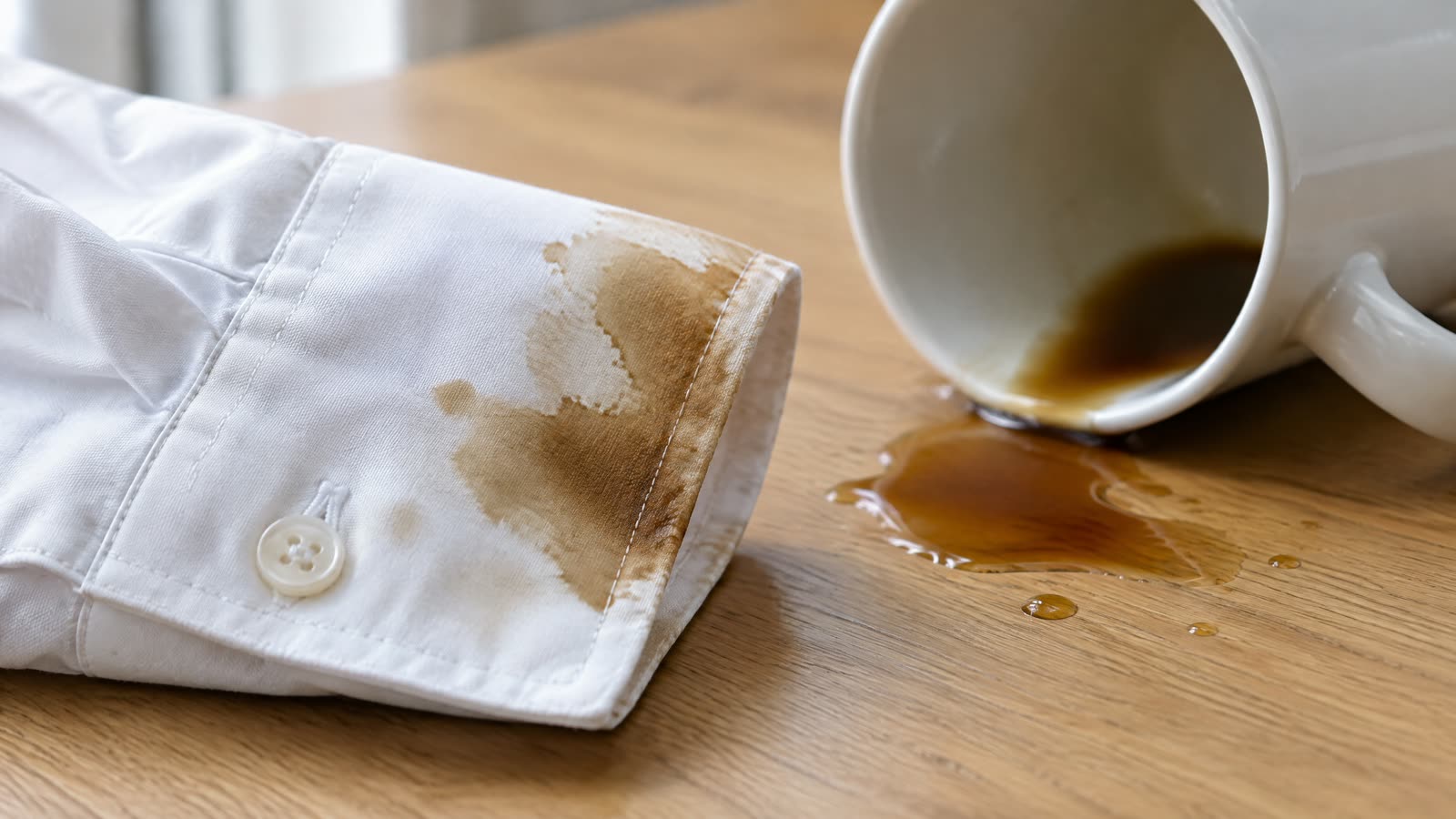
The same page recommends 5 to 10 words per second for on-screen text. A six-word proposition such as "Coffee stains out in one spray" therefore needs between 0.6 and 1.2 seconds of reading time, so leave it up through the first second of the demo. For the opening image itself, the first-frame framework goes deeper.
How do you split 15 seconds between problem, product and proof?
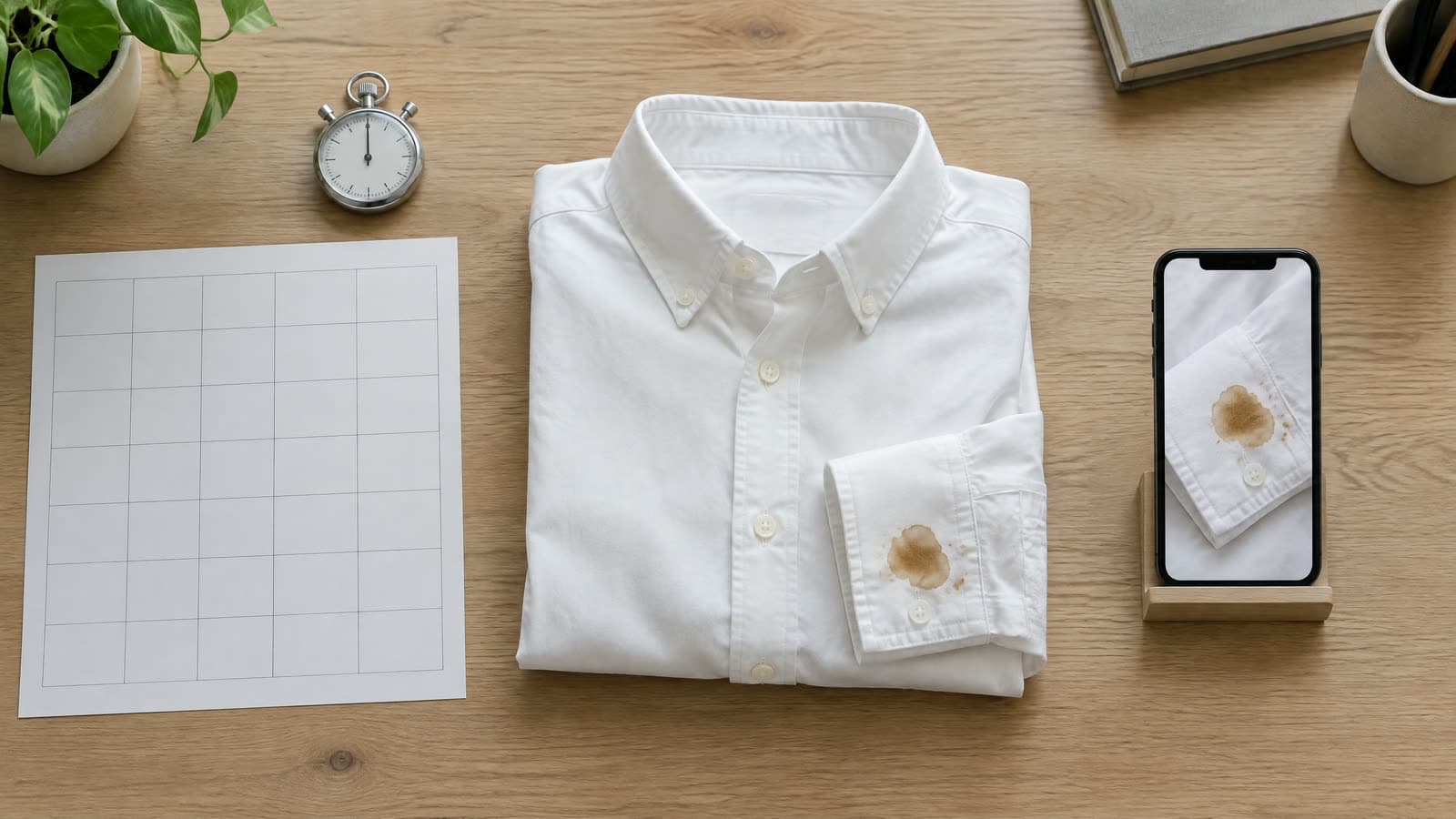
Give the product most of the clock. In the 15 second cut below, the problem owns two seconds, the proposition two, the mechanism five, the proof three and the offer three. The worked example is a fictional stain remover spray, so every line on screen is a placeholder for your own verified copy.